About Your Photographer
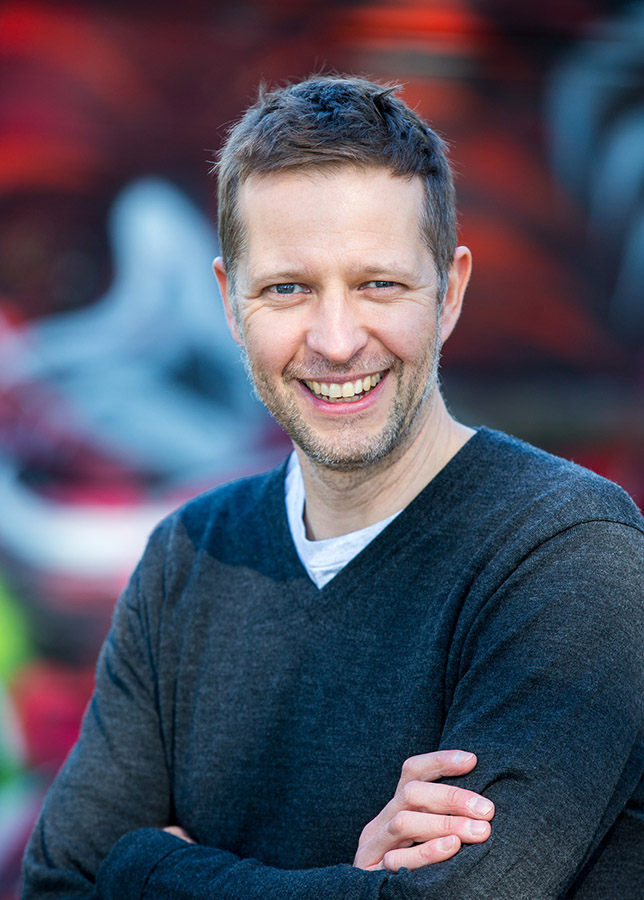
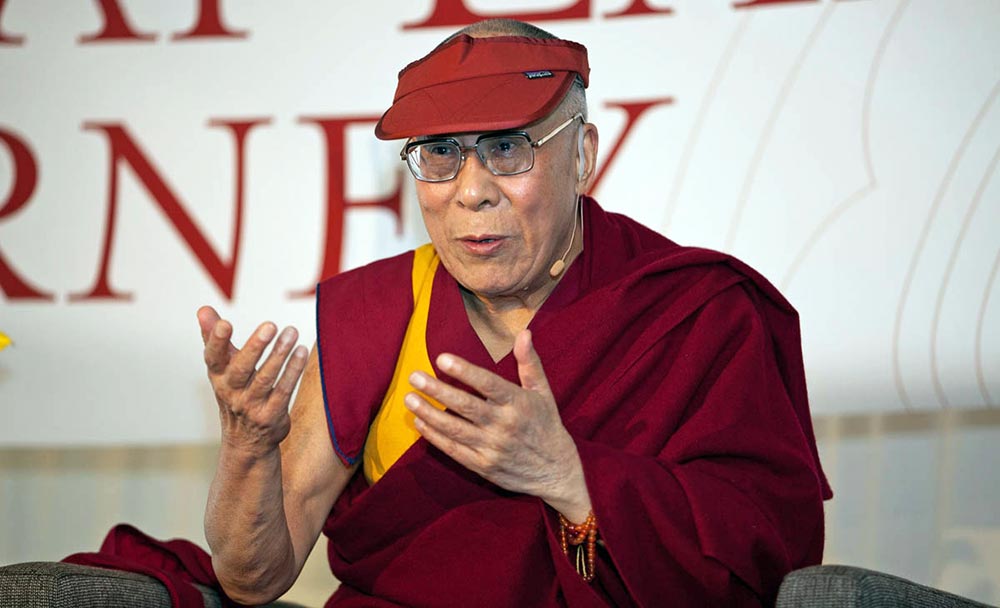
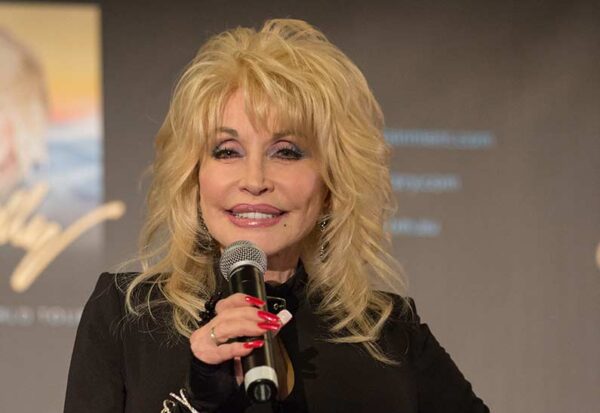
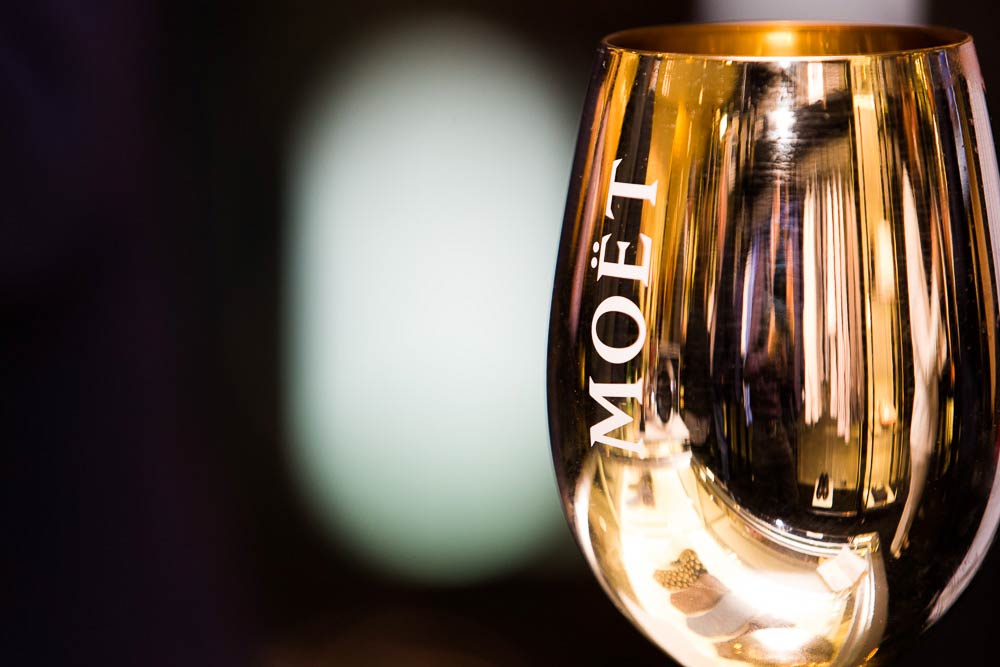
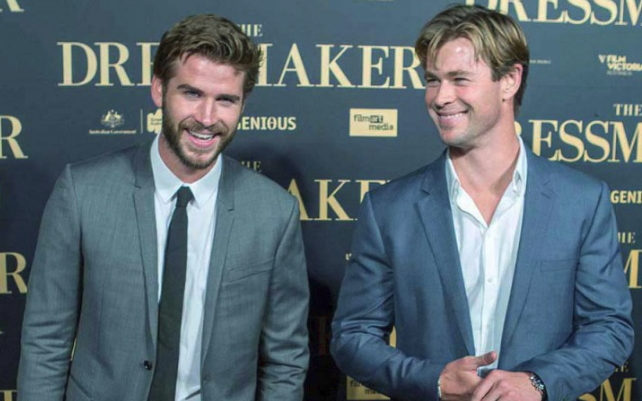
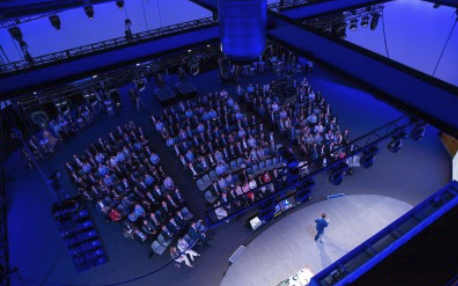
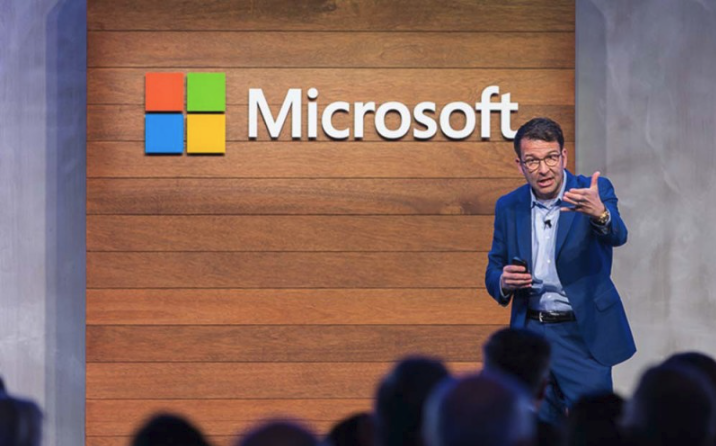
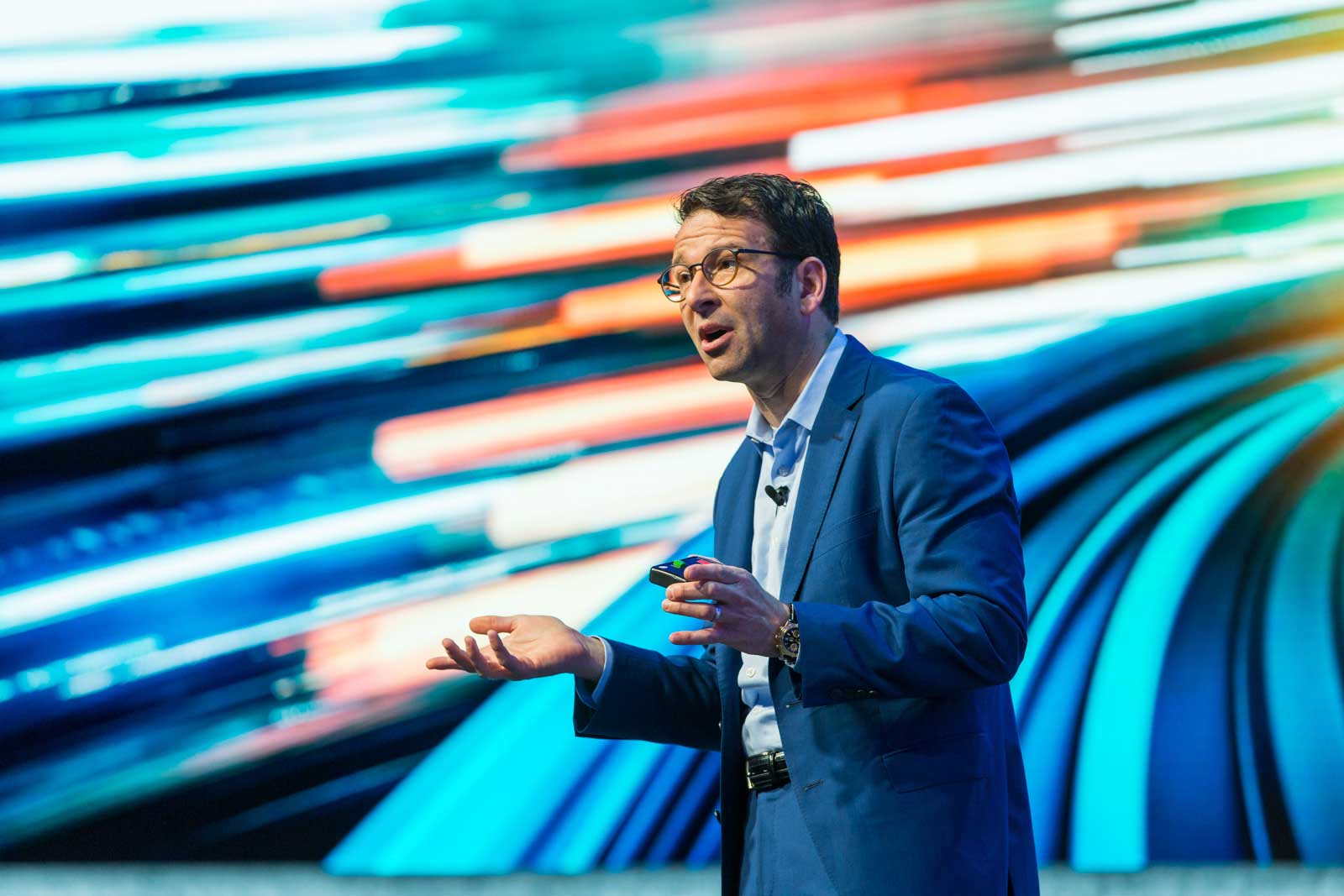
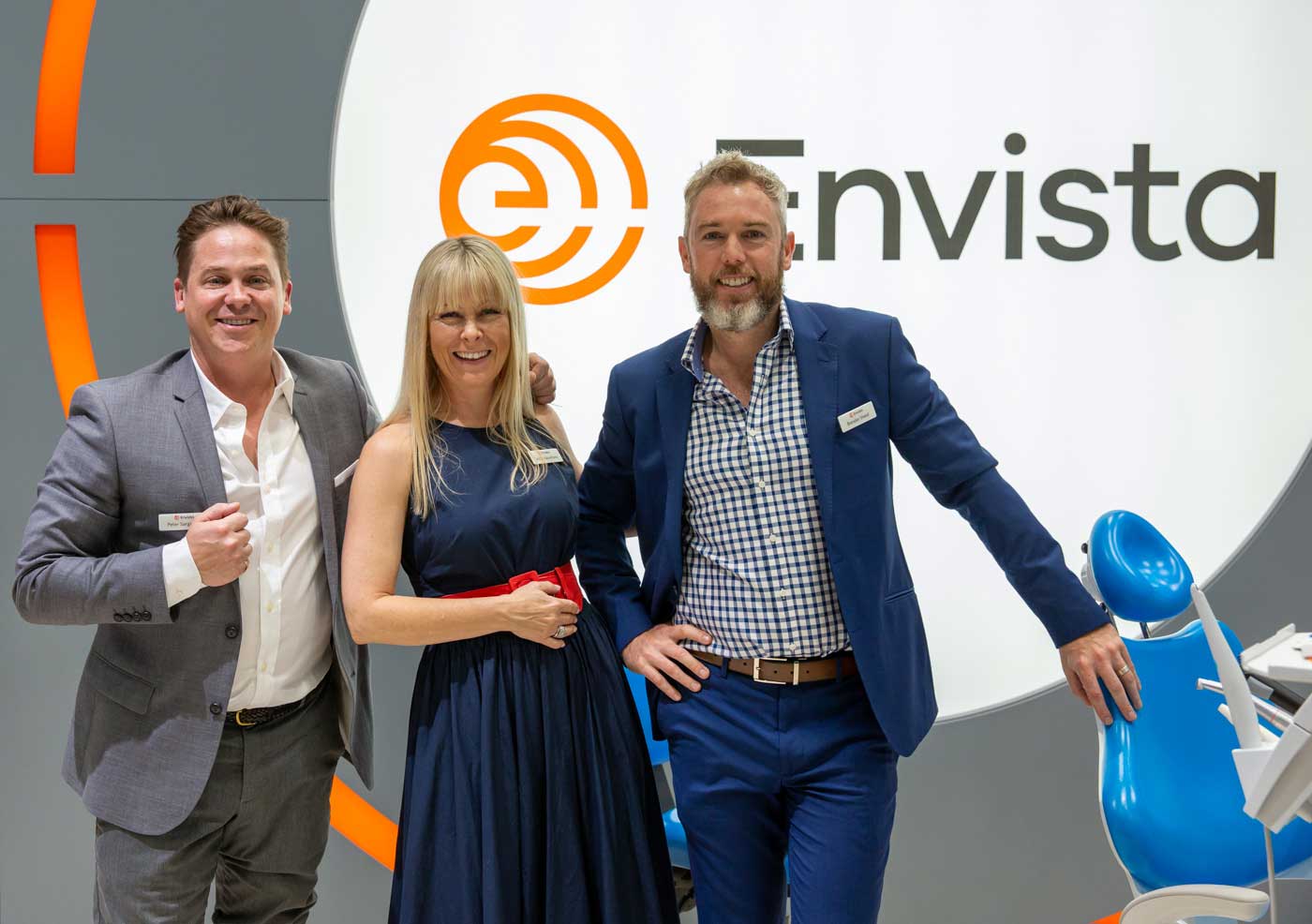
Melbourne Photographer Man With A Camera provides professional photography & videography production for events, conferences, commercial and industrial projects, business branding, annual reports, activations and product launches.
Lead photographer and business owner Simon Woodcock has worked in the photographic industry for over 20 years, starting his career at the BBC before moving into national magazines and newspapers in the UK before relocating to Melbourne.
Simon and his team of photographers have current WWC accreditation and pride themselves on providing a reliable, friendly and respectful service to their broad base of commercial and corporate photography clients, helping them to increase their exposure and amplify their message through the creation of authentic and engaging photography.
Get in touch today to discuss how we can help YOU showcase your event, business or commercial project with professional photography.
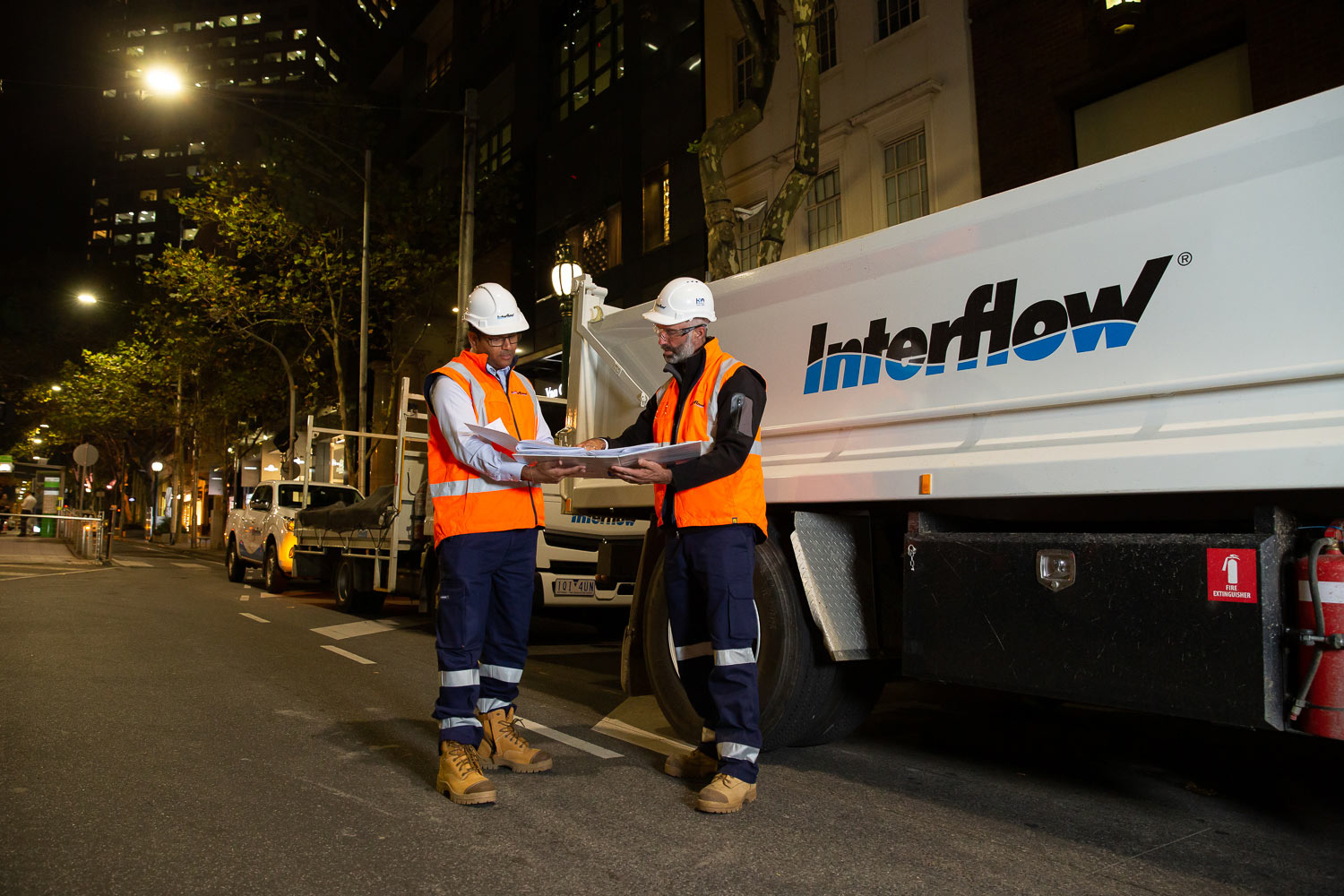
Our Photography Clients Include:















 sarah carrHave worked with Simon a number of times now and can always count on him to produce wonderful, high-quality shots that truly capture the essence of our events. We've created such a great working relationship that he knows just what we want out of our event photos and manages to deliver above and beyond every time.Victoria FratinHighly recommend working with Simon! He was lovely and easy to work with during our annual conference and he took beautiful photos that captured the vibe of our event. An absolute treat to work with!Jordan CrouchVery professional, helpful and accommodating!Fraser BakerIf you're looking for an experienced and professional event and corporate photographer in Melbourne, you can't find better than Simon from Man With A Camera Photography. Highly recommended!MishMannersSimon was amazing to work with. He captures a moment beautifully and did a great job at our Serverless days conference.Alicia CheahSimon does fantastic work, is very well-priced, and helped us get lots of great memories and photos of our community conference. He was also very quick to get the photos to us - within a week of the event. Highly recommended!Daniel DelawayIf you're looking for a down to earth photographer you can trust to absolutely kill it at your event, look no further, Simon's your guy. Professional photos at competitive prices - would highly recommend!Lorraine KhngHad the pleasure of working with Simon at All Energy Conference, where he photographed our booth and activities at the event. Excellent work ethic and very professional, Simon was willing to get input and direction but at the same time worked independently and added his creative spin to the pictures. Thanks Simon!Shammah EricFantastic work by Simon! He helped us with our company conference and captured all the important moments. The photos came out great and we received a lot of feedback from our staff regarding his professionalism. Highly recommend! 😊Donna DamyonSimon was very patient and gave great direction during our work photo shoot. Photos look fantastic. Thanks Simon.



Recent Work

Contact us
Get a quote, FAST! Submit your details below and we’ll respond promptly.